There is a lesson that repeats itself, season after season, across our work with smallholder cocoa farmers in Uganda, where by the right tree is planted the wrong way at the wrong time.
It’s a hard lesson, because it often looks, on the surface, like everything was done correctly. The right species was chosen. The seedling was healthy. The farmer did the planting themselves, with care. And yet, weeks later, the tree is struggling or dead. In almost every case we’ve observed, the answer comes down to one factor, which is timing.
A Recurring Lesson From the Field
Planting outside the rainy season is one of the most common and most costly mistakes in agroforestry across East Africa. It’s an easy mistake to make. Seedlings are often available before the rains begin, and farmers, eager to get started, plant as soon as they have the tree in hand. But a seedling’s relationship with rainfall is not a matter of convenience. It’s a matter of participatory, careful planning with the smallholder farmers.
The Economics of Rainfall
Beyond survival, timing has a direct financial impact on farmers. Rainfall does work that would otherwise require irrigation. Planting at the onset of the rains reduces the labor and cost required to keep a seedling alive through its first critical 6 months.
For smallholder farmers already balancing agroforestry alongside food production and other household responsibilities, this reduction in labor is often the difference between a tree that gets consistent care and one that gets neglected during a busy season.
Building Timing Into Farmer Training
This is why our farmer training goes beyond simply identifying which species to plant. We work with farming households to understand the local rainfall patterns specific to their area and to plan planting activities around the true onset of the rains, not just the first sign of rainfall, which can sometimes be a false start followed by a dry spell.
Farmers who master this timing aren’t just planting trees successfully; they’re investing in climate resilience, in reduced labor costs, and in the long-term productivity of their land.
At Roots and Canopy agroforestry, we believe that sustainable cocoa farming starts from the ground up and our pilot work is proof that when farmers are supported with the right knowledge and the right timing, they will be able to take care of and grow the indigenous trees.
Lessons From the Cocoa Agroforestry Pilot
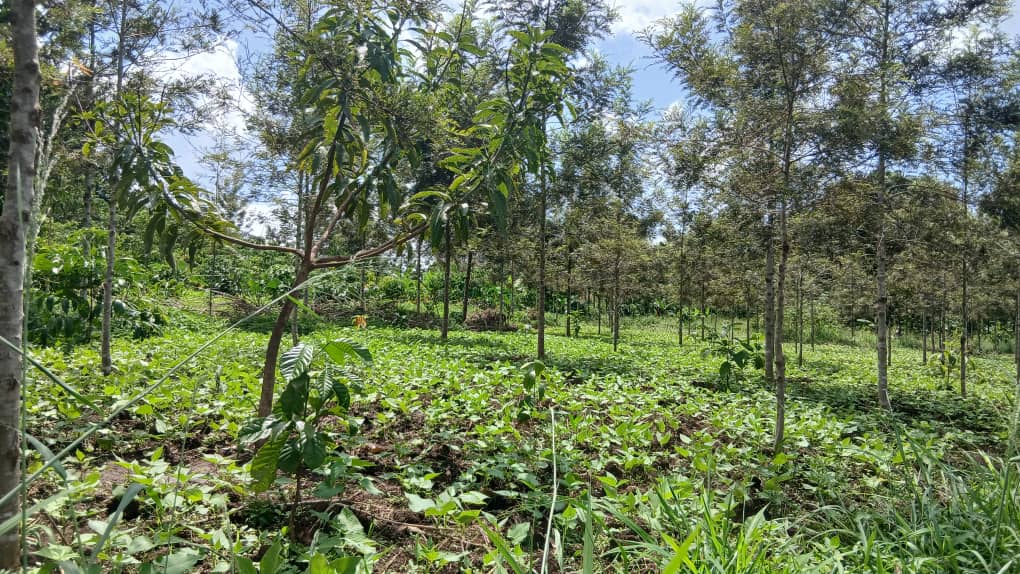
Under our Cocoa Agroforestry Pilot, we’ve seen this pattern play out consistently. Farmers who planted shade and timber trees at the onset of the rains reported stronger establishment, healthier early growth, and lower seedling loss than those who planted outside this window even when working with identical tree species and nursery stock.
These aren’t small differences. For a farmer weighing whether agroforestry is worth the investment, the difference between a seedling that thrives and one that fails can shape their willingness to try again, or to expand their planting the following season.
Leave a Reply